CCDC5 Antibody: A Critical Tool for Centrosome and Cell Cycle Studies

The CCDC5 (Coiled-Coil Domain-Containing 5) protein plays a pivotal role in centrosome-associated processes and the cell cycle, especially during mitosis. Antibodies targeting CCDC5 are indispensable for researchers investigating centrosome organization, spindle formation, and chromosomal segregation. These antibodies are widely utilized in both basic and applied research, contributing to discoveries in cancer biology, cell cycle regulation, and genetic disorders.

Overview of CCDC5 Protein

CCDC5 is integral to centrosome duplication and mitotic spindle assembly, ensuring accurate chromosomal segregation. Disruptions in CCDC5 expression have been associated with various malignancies, making it a significant marker in oncology research (NCBI, NIH).

Applications of CCDC5 Antibody

  1. Centrosome Research: CCDC5 antibodies are critical for visualizing centrosomal structures and understanding their dynamics during cell division (PubMed, NIH).
  2. Cancer Studies: Aberrant expression of CCDC5 has been linked to tumorigenesis, providing insights into cancer progression (Cancer.gov, NCI).
  3. Molecular Pathway Analysis: These antibodies facilitate the dissection of pathways involving cell cycle checkpoints and centrosome clustering (NIGMS, HHS).
  4. Drug Discovery: Targeting CCDC5 offers therapeutic potential in cancers characterized by centrosome amplification (ClinicalTrials.gov, FDA).

Key Features of CCDC5 Antibodies

  • High Specificity: Designed to bind specifically to the coiled-coil domain of CCDC5, ensuring minimal cross-reactivity.
  • Wide Compatibility: Validated for use in diverse assays, including immunofluorescence, Western blotting, and flow cytometry (NIH).
  • Robust Performance: Suitable for both fixed and live-cell imaging, providing flexibility in experimental design (NCBI).

Protocols and Techniques

1. Immunofluorescence Microscopy: CCDC5 antibodies enable precise localization of centrosomes in dividing cells. Protocols are available from institutional sources like Harvard and Stanford.

2. Western Blotting: Detecting CCDC5 expression in cell lysates is critical for protein quantification and functional studies (NIH).

3. Functional Assays: Antibody-based assays for CCDC5 can elucidate its role in centrosome duplication and spindle assembly (NCBI).

Research Insights

Emerging studies suggest that overexpression of CCDC5 correlates with centrosome amplification in breast and colorectal cancers (PubMed). Additionally, loss-of-function mutations in CCDC5 are implicated in chromosomal instability syndromes, highlighting its genetic significance (Genetics Home Reference).

Resources for Researchers

  • Antibody Validation: Comprehensive validation data are available from resources such as antibodyregistry.org.
  • Gene Databases: For detailed genetic information, refer to GeneCards and Ensembl.
  • Protein Interaction Maps: Explore protein networks involving CCDC5 at STRING.

Conclusion

The CCDC5 antibody is a cornerstone for cell cycle and cancer research, enabling groundbreaking studies on centrosome biology and its implications in disease. Leveraging this antibody in your experiments can provide insights into critical cellular processes and support translational research.

For additional resources, explore these platforms:

By incorporating the CCDC5 antibody into your research toolkit, you join a global network of scientists unraveling the complexities of cellular biology.

Bovine Serum Albumin (BSA), Standard Grade: A Critical Tool in Biochemical Research

Bovine Serum Albumin (BSA), standard grade, is a highly purified protein derived from bovine blood, serving as a cornerstone in various biochemical and molecular biology applications. Its exceptional properties, such as stability, solubility, and binding capacity, make it an indispensable reagent in laboratories worldwide.

Overview and Composition

BSA, a globular protein, is composed of 583 amino acids and is known for its high stability under a range of experimental conditions. It is produced through meticulous extraction and purification processes to ensure minimal contamination and consistent quality. BSA’s high water solubility and resistance to denaturation are essential for applications like protein quantification and cell culture supplementation.

For an in-depth structural analysis of BSA, you can refer to the Protein Data Bank (PDB) repository.

Applications in Research

  1. Protein Standard in Assays BSA is widely used as a protein concentration standard in biochemical assays, such as the Bradford Protein Assay. These assays depend on the reproducible binding of BSA to dye molecules. Learn more about the Bradford Assay principles at NIST.gov.
  2. Blocking Agent BSA’s ability to prevent non-specific binding makes it a critical blocking agent in Western blotting, ELISAs, and immunohistochemistry. This function is described in detail in a study available at the NIH PubMed Central.
  3. Stabilizing Agent Due to its structural integrity, BSA is employed as a stabilizer for enzymes, antibodies, and vaccines. The role of stabilizing agents in biopharmaceuticals is elaborated by the FDA.gov.
  4. Cell Culture Media Supplement As a nutrient and protective agent, BSA enhances cell viability and productivity in culture systems. Further reading on cell culture media optimization is available at CDC.gov.

Quality Specifications and Grades

BSA is available in various grades, with the standard grade being the most commonly used for routine laboratory applications. Higher grades, such as molecular biology or fatty acid-free BSA, are tailored for more sensitive experiments. For guidelines on selecting BSA grades, visit the USDA National Agricultural Library.

Key Advantages

  • Thermal Stability: BSA retains functionality across temperature fluctuations, critical for enzymatic reactions.
  • Low Endotoxin Levels: Ensures safety in immunological and cell-based studies. Details on endotoxin testing methods can be found at FDA.gov.
  • High Affinity Binding: BSA binds to lipids, hormones, and ions, facilitating transport and storage applications. Explore binding mechanisms at NCBI.

Regulatory and Safety Considerations

Using BSA in biomedical research must adhere to regulatory guidelines for animal-derived materials. Resources on regulatory compliance for laboratory reagents are available at EPA.gov and HHS.gov.

Conclusion

Bovine Serum Albumin, standard grade, remains a versatile and essential reagent in modern science. Its unmatched qualities support a wide spectrum of research, from protein studies to therapeutic development. Reliable sourcing and adherence to quality standards ensure optimal performance in experimental protocols.

For more details on BSA and its uses in research, consult trusted resources such as NIH.gov, USDA.gov, and DOE.gov.

Understanding GMP Grade: Ensuring Quality and Safety in Biopharmaceuticals

Good Manufacturing Practices (GMP) standards are essential in the production of biopharmaceuticals, ensuring that products are consistently produced and controlled according to stringent quality standards. These guidelines are critical for minimizing risks involved in pharmaceutical production, risks that cannot be mitigated simply through testing the final product alone. The scope of GMP covers all aspects of production, from the starting materials and premises to the training and personal hygiene of staff.

GMP is primarily enforced by regulatory bodies such as the U.S. Food and Drug Administration (FDA) and the European Medicines Agency (EMA), but their influence extends globally, as many countries base their own GMP frameworks on these standards. According to FDA’s GMP guidelines, pharmaceutical manufacturers must meet specific conditions in their production facilities to ensure product quality. Additionally, the World Health Organization’s guidelines provide recommendations on GMP applicable worldwide.

The Core Principles of GMP

The fundamental principles of GMP, as emphasized by global agencies like WHO and FDA, revolve around several key factors:

  1. Controlled and Defined Processes: Manufacturing processes must be clearly defined and controlled. Any changes to these processes should be evaluated and validated, according to FDA guidelines, to ensure consistent product quality.
  2. Minimizing Contamination: Manufacturing is conducted in a controlled environment, reducing risks of contamination from particulates, microbes, or cross-contamination between products, as detailed by NIH.
  3. Qualified Personnel: All personnel involved in the manufacturing process must be appropriately trained, with qualifications documented. According to the National Institutes of Health (NIH), effective training programs are essential in ensuring that employees follow GMP protocols.
  4. Comprehensive Documentation: Record-keeping ensures that every aspect of production is traceable and reproducible, which is mandated by the FDA’s Part 211 regulations. These records should be maintained for a sufficient time to allow for full traceability.
  5. Recall Systems: GMP mandates procedures for recalling products if necessary, reducing the impact of potentially defective items on the public. The CDC highlights the importance of proper recall protocols to protect public health.
  6. Validation of Procedures: To ensure consistency, manufacturing processes must be validated before full-scale production. This ensures that quality control tests are in place and consistently applied, as described in FDA’s process validation guidelines.

Applications of GMP Grade in Biotechnology and Pharmaceuticals

GMP-grade materials are of particular importance in biotechnology research, where the safety and purity of reagents are paramount. For instance, NIH guidelines stipulate that research involving human cells, tissues, or biological agents must comply with GMP standards to ensure the integrity of the research and safety of the resulting products.

Moreover, in drug development, the use of GMP-grade materials is mandatory when manufacturing drugs for clinical trials. The National Cancer Institute (NCI) outlines that GMP compliance ensures the safety and quality of experimental drugs used in human subjects. GMP-grade reagents guarantee that even the smallest deviations in raw materials do not affect the overall safety and efficacy of the final therapeutic product.

GMP in Clinical Trials: Why It Matters

Before a new drug can be released on the market, it must undergo extensive testing in clinical trials, overseen by the FDA. During these trials, GMP guidelines ensure that every active pharmaceutical ingredient (API) used meets strict quality and purity standards. The FDA’s guidance on APIs helps pharmaceutical manufacturers maintain the highest standards for purity, sterility, and consistency.

The World Health Organization (WHO) emphasizes the role of GMP in global health through initiatives designed to prevent errors and variability in drug manufacturing. In this regard, GMP prevents adverse reactions that could arise from impure or contaminated products during trials, ensuring that participants are not exposed to unnecessary risks.

Global GMP Standards: Harmonization Efforts

Different countries have adapted their own versions of GMP regulations, but they all adhere to similar core principles. For instance, FDA’s 21 CFR Part 210-211 is recognized internationally for its stringent standards, which ensure that finished pharmaceutical products meet all necessary safety and efficacy criteria. Similarly, EudraLex Volume 4 serves as the GMP regulatory framework for the European Union.

The International Council for Harmonisation of Technical Requirements for Pharmaceuticals for Human Use (ICH) plays a critical role in bringing together global regulatory authorities to align GMP standards across different regions, ensuring greater consistency and safety worldwide.

The Importance of Education in GMP Compliance

Educational institutions and government agencies play a crucial role in the ongoing development of GMP standards. Research by the CDC and NIH contributes to a greater understanding of how to maintain compliance with GMP protocols. Universities also offer specialized programs and certifications in GMP compliance, such as the University of California, San Diego and Johns Hopkins University, which provide training to pharmaceutical professionals on how to apply these standards in real-world settings.

Conclusion

Good Manufacturing Practices (GMP) are essential to ensuring the safety, quality, and consistency of pharmaceutical products and biotechnological innovations. Compliance with these standards is mandatory for protecting public health and for the successful development of therapeutics, from research to clinical trials to final production. Through continuous efforts from regulatory bodies like the FDA, WHO, and educational institutions, GMP standards evolve to meet new challenges in the ever-changing landscape of medical research and drug development.

Gentaur Suppliers

www.accnweb.comwww.acolytebiomedica.comwww.affiniti-res.comwww.allscience.cowww.arachnoiditis.infowww.aralbio.comwww.arexdb.orgwww.aureus-pharma.comwww.autotestvih.infowww.aviabiosystems.comwww.axis-shield-density-gradient-media.comwww.axonscientific.comwww.bacterialgenomics.orgwww.biochempages.comwww.biomeeter.comwww.bioprodmag.comwww.biosantech.orgwww.blog-biosyn.comwww.camb-labs.comwww.camelgate.comwww.ceterix.comwww.clcngs.comwww.cornellcelldevbiology.orgwww.crocgenomes.orgwww.designmedix.comwww.diagxotics.comwww.dnachip.orgwww.dorbiopharma.comwww.dpgp.orgwww.eaa2020.orgwww.elsf.orgwww.elsf.orgwww.eurechinoreg.orgwww.eurowestnile.orgwww.ewctrainingcenter.orgwww.extinct-website.comwww.fluidsforlife.comwww.gcmsservice.comwww.genemol.orgwww.gensetoligos.comwww.immunopred.orgwww.inserm-actualites.comwww.interchromforum.comwww.jhindia.comwww.kansasbio.orgwww.lakesyn.comwww.leishnet.netwww.ligand.infowww.luxan.co.ukwww.maizemap.orgwww.nabfa-blackfly.orgwww.nakedbiome.comwww.ncnsd.orgwww.neurostemcell.orgwww.neusilin.comwww.niddkrepository.orgwww.noabbiodiscoveries.comwww.novactabio.comwww.novexin.comwww.ohmxbio.comwww.omicsbio.orgwww.ondex.orgwww.orengogroup.infowww.perceptivebioscience.comwww.pharma-planta.netwww.phenyx-ms.comwww.plantnames.orgwww.preclinomics.comwww.procellbiotech.comwww.proteincrystallography.orgwww.proteinforest.comwww.qcmg.orgwww.qhek.comwww.reiclabs.comwww.reseqtb.orgwww.sebio.orgwww.smb2019.orgwww.surechem.orgwww.tankfishtips.comwww.theebi.orgwww.treatgene.comwww.trpchannel.orgwww.visiblegenetics.comwww.wheaton-uk.comwww.whybiotech.comwww.wolfelabs.comwww.younginfrontier.com

Scientists Identify Corona virus Strain

Scientists Identify Corona virus Strain In Cyprus-‘Deltacron’-That Blends Delta And Omicron

Scientists in Cyprus have found 25 cases of a strain of the coronavirus that they say combines elements of the delta and omicron variants, dubbing it “deltacron,” with a high proportion of the variant found in patients hospitalized for Covid-19, a professor involved in the identification of the new strain said Saturday.

People at the Larnaca International Airport in Cyprus (Photo by CHRISTINA ASSI/AFP via Getty Images)

KEY FACTS

  • The discovery was made by Leondios Kostrikis, professor of biological sciences at the University of Cyprus and head of the Laboratory of Biotechnology and Molecular Virology, and his team, Bloomberg reported.
  • The new strain has “omicron-like genetic signatures within the delta genomes,” according to Bloomberg.
  • Deltacron cases were found in 25 samples taken in Cyprus, of which 11 were from patients hospitalized with Covid and 14 from the general public, according to Cyprus Maila local English daily.

Analysis shows deltacron is more often found in patients hospitalized with Covid-19 than those with Covid-19 who are not hospitalized, Kostrikis said.

It is “quite possible” that the new strain has not been found elsewhere, and the sequences of the cases have been sent to GISAID, a Germany-based international database that tracks developments in the coronavirus, the Cyprus Mail reported.

Australia’s Last Zero‑CovidHoldout Cancels Border Reopening Plans As Omicron Surges Across Country

KEY BACKGROUND

In December 2021, Paul Burton, Moderna’s chief medical officer, told the U.K.’s House of Commons that the co-existence of delta and omicron increased the chances of a new variant as a result of them trading genes, the Daily Mail reported. Such recombination is common in coronaviruses, according to the New York TimesSeveral studies have suggested recombination could cause the virus to change in “dangerous ways,” but could help researchers develop drugs to treat the virus.

Some experts suggest omicron variant

Some experts suggest omicron variant may have evolved in an animal host

When COVID-19 variants arise, the accepted wisdom is that the constellation of mutations they contain developed in an immunocompromised person who contracted the virus and couldn’t shake the infection. But some scientists have an alternative theory for where the latest variant of concern, omicron, may have acquired the unusual mutations that stud its spike protein.

They speculate the virus could have evolved in another animal species.

The theory goes that some type of animal, potentially rodents, was infected with the SARS-CoV-2 virus sometime in mid-2020. In this new species, the virus evolved, accumulating roughly 50 mutations on the spike protein before spilling back over into people.

Kristian Andersen, an immunologist at the Scripps Research Institute, is among those who has been raising the idea that Omicron may have emerged from a reverse zoonotic event.

(A zoonotic event is when an animal pathogen starts to infect and spread among people. A reverse zoonosis is when such a virus passes back into an animal species.)

“I know that most people think that these [come from] immunocompromised individuals, and I do think that that’s plausible, but to be perfectly honest, I actually think this reverse zoonosis followed by new zoonosis seems more likely to me given just the available evidence of the really deep branch, and then the mutations themselves, because some of them are quite unusual,” Andersen told STAT.

  • “I don’t think we should dismiss that possibility, because I think it’s definitely on the table.”
  • A number of other scientists who study the evolution of viruses have told STAT they think the idea isn’t out of the question. Some place more weight on the theory that variants develop in immunocompromised people, while others feel there isn’t enough evidence at this point to favor one option over the other.
  • “Personally, I think it’s probably more likely it was circulating undetected, in an immunocompromised individual,” Emma Hodcroft, a molecular epidemiologist at the Institute of Social and Preventive Medicine in Bern, Switzerland, said via email. Having said that, though, Hodcroft insisted that it is important to explore the hypothesis.
  • “I would certainly consider it a plausible alternative hypothesis to the evolution during a persistent infection in a human,” said Andrew Rambaut, a professor of molecular evolution at the Institute of Evolutionary Biology in Edinburgh. He cautioned that coming up with a definitive answer won’t be quick.
  • “I am not sure we will be in a position to say for sure for a while,” Rambaut wrote in an email.

One of the peculiar traits of SARS-2 underpins this thinking. It is what virologists describe as a promiscuous virus; it is capable of infecting a number of species. Dogs and house cats. Large cats. MinkWhite-tailed deer. Given how easily the virus seems to jump from species to species, people studying it assume this list will grow.

The original virus that came out of Wuhan, China, in early 2020 did not infect rodents. But as variants — Alpha, Beta, Delta — started to emerge, those viruses could infect rodents.

Robert Garry, a professor of microbiology and immunology at Tulane Medical School, has been tracking the SARS-2 mutations that have arisen. Seven are associated with rodent adaptation — the changes that seemed to allow the virus to infect mice, rats, and related species. All seven of those mutations are in omicron, Garry noted. He believes it’s a toss-up whether the variant developed in an animal or a human host, but if it’s the former, his bet would be on rodents.

Getting a firm answer might require enormous luck. Scientists are looking at various animal species to see if they can be infected with SARS-2; were they to find viruses like omicron in any, that would swing the needle.

But Michael Worobey, a professor of evolutionary biology at the University of Arizona, thinks one could do some experiments on selected species of wild animals to see if they can be infected and if, when infected, similar patterns of viral evolution occur.

Studying the molecular clock of viruses that spread in animals — looking at the speed at which they evolve and comparing it to SARS-2 evolution in humans — could also provide some clues, said Worobey, who initially thought Andersen’s idea was not impossible, but not the likeliest of explanations for omicron. After hearing details of the explosive outbreak in white-tailed deer, he’s rethinking the idea.

For Worobey, the question is whether any animal species can become chronically infected with SARS-2 — in effect, whether there are animal species in which SARS-2 lingers in the way it does in immunocompromised people. That could put positive selective pressure on the virus — in other words give it an incentive to mutate to stay ahead of the animal’s immune response.

“It does move my thinking in terms of omicron possibly having come from a reservoir, if there are [animal] reservoirs that do chronic infections,” he said.

Part of what leads Andersen to wonder about an animal source is the fact that the variant traces back to viruses that were spreading over a year ago. “That in itself you need to be able to explain,” he said.

Angela Rasmussen, a coronavirus virologist at the University of Saskatchewan’s Vaccine and Infectious Disease Organization, agreed.

“I think it’s pretty obvious to everybody … that this virus has been on an independent evolutionary track for quite some time and it’s very surprising, which to me just kind of goes back to say well, the idea that this could be … plausible,” she said.

Regardless of whether this variant emerged in another species or not, given SARS-2’s ability to jump species, it is possible the world will face animal-derived variants in the future, Garry warned. The upshot of that? “We’re going to have to keep tweaking the vaccines.”

Bio-informatics ressources

[GdmCl] and [Urea] from refractive index by Sosnick lab web
1. Compute pI/Mw
16S rRNA database and workbench (most recently updated data can be downloaded here)
2. ProtParam
3. Translate
A beta word processor run over the web
A command-line tool that generates a table of several useful geometric measurements for each residue or base from a PDB file.
A database of research protocols in a variety of life science fields. It has a popular discussion forum.
A DNA part, plasmid, microbial strain, and Arabidopsis Seed online repository with physical sample tracking capabilities
A free all-in-one platform for intuitive vector design and automatic assembly. Supports main construction techniques, manual and auto sequence annotation, alignment, primer design and compatible to all file formats.
A free DNA sequence viewer and annotation tool (Java based). The Sanger Center also develops a number of other miscellaneous tools for download
A helper application for your web browser that allows you to view 3-dimensional structures from NCBI’s Entrez retrieval service. It doesn’t read PDB files but can be more straightforward to use than DeepView.
A number of web tools and calculators to assist in the design and execution of molecular biology research
A powerful, free online & downloadable genetic engineering all-in-one platform for molecular & synthetic biologists
A site where you can explore the various features of the JBEI Registry software, and even get some work done!
A tool which allows the computation of the theoretical pI (isoelectric point) and Mw (molecular weight) for a list of Swiss-Prot and/or TrEMBL entries or for user entered sequences.
A tool which allows the computation of various physical and chemical parameters for a given protein stored in Swiss-Prot or TrEMBL or for a user entered sequence.
Access to sequence-validated, full-length, protein-coding, mammalian cDNA clones
AddGene Vectors can be directly imported into Genome Compiler software platform, in which you can easily edit and visualize it.
Addgene is a a non-profit plasmid repository where scientists can archive and share their plasmids. Addgene assists with data submission and all tech transfer issues. Plasmids can be requested from Addgene for a fee to cover expenses.
Addgene’s Vector DB
Affymetrix Tools software
AGADIR by Serrano lab web
All-in-one molecular cloning and genetic engineering design, simulation & management tool for complex synthetic biology and metabolic engineering project.
An algorithm to predict the helical content of peptides.
An incomplete web version of the publication Escherichia coli and Salmonella: Cellular and Molecular Biology. (Subscription required)
An integrated tool for PCR primers or probe design, in silico PCR, oligonucleotide assembly and analyses, alignment and repeat searching
An integrative framework for discovering functional relationships among proteins.
An open-source java program for modeling gene regulatory networks. Users can rapidly build networks by specifying their topology, initial conditions, connectivity, and known parameters. Ingeneue can then search/explore paramter space for desired behavior, simulate the effects of noise and mutation, and generate statistics/time graphs of the system.
Antibody Resource
ApE A plasmid Editor software
Appendix by Ambion, Inc.
Apps for predicting RNA and DNA folds, calculating Tm’s and free energies. Runs mfold + UNAfold servers
Artemis by the Sanger Center software
AVID by Keating lab web
Awesome program for viewing and studying protein structure.
Backbone-dependent rotamer library by Dunbrack lab web
Barrick Lab of UT Austin
BenchFly
Benchling web
Beta suite of office applicatins offered over the web
BioCyc
BioEdit software
Bioinformatics Toolbox from DNA2.0 web
BioNumbers
BLAST web
both prokaryote and eukaryotic promoter prediction
BRENDA
Calculate a number of parameters for your nucleotide polymers
Calculator to determine a protein’s contact order
Calculators
CambridgeSoft software
Cancer Genome Anatomy Project web
CDC Disease Conditions
CLC Sequence Viewer software
Cn3D by NCBI web
Colibri by Institut Pasteur
Collaborative encyclopedia of biodiversity
Collection of links to many pages to calculate parameters of your favorite proteins
Collection of online tools for codon optimization and shuffling, restriction site editing, and so on.
Collection of science-related links, including links to journals, catalogs, and tools. See their about page.
Collection of thousands of pathway/genome databases for many organisms, plus software tools for understanding their data
Combine genetic building blocks by drag-and-drop, codon optimize, restriction site editing, sequence oligo design etc. See BMC Bioinformatics 2006 Jun 6;7(1):285 for more detail.
Community for sharing and discussion of research papers
Comprehensive biochemical pathway and gene function site for E. coli
Comprehensive enzyme information system
Computational server for finding/calculating summary data about a wide range of topics, plus useful widgets like reagent tables and gene lookup
Consensus structural annotations and 3D models for sequences of model organisms (built upon numerous other useful related resources)
ConSurf
Contact Order Calulator by Baker lab web
Contains many Javascript tools to do common tasks.
Control translation initiation rate and predict protein production levels
Control translation initiation rate and predict protein production levels.
Coredemia web
Crowdfunded scientific research
Current Protocols in Molecular Biology
CyberCell Database (CCDB) by Institute for Biomolecular Design
Dang by Richardsons’ lab software
Database of all E. coli genes and sequences (Entrez data is pulled from here)
DeepView by GlaxoSmithKline & Swiss Institute of Bioinformatics software
Design genes de novo with a powerful and intuitive user interface
Design Zinc Finger DNA binding proteins
DeviceEditor: a visual DNA design canvas that serves as front-end for j5
Digital lab notebook for organizing and sharing experiments, findings, protocols, and more.
DNA
E. coli genome browser; get sequences, see the position of your gene in the chromosome, see the function of your gene, and other fun stuff. You can also search for protein sequences/motifs within the E. coli genome.
Easy-to-use Bioinformatics manipulation tools for UCSC data
EcoCyc
EcoGene
EcoSal by ASM Press
EMBL-EBI
ENCODE
Ensembl
Ensembl Genome
Enter a protein to search for antibodies and ELISA kits
Entrez (NCBI)
Eukaryotic genome browser
Evernote software app
ExPASy Proteomics server by the Swiss Institute of Bioinformatics web
Experiment web
Extensive database of protein sequence and functional information
FastPCR software
Filtered index of diseases from the CDC database
Finds rare codons in a coding sequence.
Finds regions of similarity between biological sequences.
Focused on protein crystallization but contains a lot of generally useful information about various reagents with respect to proteins.
Follow a link to the underlying open-source software source code.
Formerly curated by MIT, this is an open repository of BioBricks; the place for all your standard biological parts.
Free digital version of the paper Metabolic Pathways map. Because it is a PDF, it is also searchable.
Free to download and works on Mac or PC. User agreement is somewhat restrictive, i.e. you cannot sell genes designed using the tool without permission.
Free version of SnapGene. Allows mapping of DNA up to 1 Gb in length. Convenient viewing and annotation tools for genetic constructs.
Free, feature-rich drawing program with support for SVG and PDF images
Free/simple online toolset for sequence manipulation
Galaxy web
GdmCl and urea concentration calculator from index of refraction.
Gene Design by Boeke lab web
Gene expression in E. coli by Ehrmann lab
GeneDesigner by DNA 2.0 software
GeneDesigner by DNA2.0 software
General
General Search/Reference
Generates and annotates a plasmid map based on sequence data
Generates research article recommendations unique to each user. Site also has a special academic community.
GeneWarrior web
Genome and Metabolism
Genome Compiler web software
Genome3D
Genomic database geared towards high-level functions of the biological system
GETAREA by Sealy Center for Structural Biology web
Google Documents by Google web
GreenGenes
Growing collection of laboratory protocols and techniques
Handbook of protocols. (Links to Wiley Online Library)
Handbook of protocols. Subscription only. External link
High throughput sequence analysis (orders of magnitude faster than BLAST) and other software tools
High-level design, analysis and transmission of protein constructs. Pinecone matches users’ designs with CRO’s or DNA synthesizers to produce genetic starting material (dsDNA, plasmid or purified protein). Facilitates mutation and combinatorial protein sets that benefit from manufacturing economies of scale.
Huge, open access life science protocol repository for discovery and sharing of scientific methods
Hugely extensive collection of resources, databases, and tools related to diverse aspects of bioinformatics and molecular biology, often containing everything one might need
IDT SciTools web
iGEM Parts Registry web
Ingeneue by George von Dassow, Eli Meir, Edwin Munro, and Garret Odell at the Center for Cell Dynamics software
Inkscape web
InstaGrok software
Interactive simulations for science and math
Inventory of Composable Elements (ICE) – The public instance of the JBEI Registry
j5, DeviceEditor, and VectorEditor web
j5: DNA assembly design automation for (combinatorial) flanking homology (e.g., SLIC/Gibson/CPEC/SLiCE/yeast) and type IIs-mediated (e.g., Golden Gate/FX cloning) assembly methods
Jalview software
Java tools for creating RNA secondary structure diagrams
KEGG
Khan Academy (Biology)
Lab Techniques
Libraries of sidechain rotamer from protein structures
Light and intuitive tools for diverse molecular biology manipulations
Local cell colony counting software
MABL web
Mammalian Gene Collection
Massive, searchable rRNA database (especially strong for microbes)
MCDS software
Mendeley software app
MetaBase
Metabolic Pathways Poster PDF by SigmaAldrich
MetaCyc
Metazome web
MicrobeWiki
Microbial physiology
Microchip and SNP analysis software. DevNet Tools and other compatible programs also listed for download and use
Modeller by Sali lab software
Molecular Cloning by Sambrook and Russell
Molecular graphics system with an embedded Python interpreter designed for real-time visualization and rapid generation of high-quality molecular graphics images and animations. The latest version does not run on OSX 10.3. (from Kathleen).
Molecular visualization program for displaying, animating, and analyzing large biomolecular systems using 3-D graphics and built-in scripting. Generates pretty high resolution pictures of protein structures.
Multi-organismal member of BioCyc collection; catalogs entire universe of metabolism
NAS report on responsible conduct in research.
NEB Cutter by New England Biolabs, Inc. web
Numerous proprietary applications for research and composition (ChemBioDraw is usually accessible via academic institution email)
OligoCalc Oligonucleotide Calculator web
On Being a Scientist by National Academy of Science
Online apps for cloning, molecular biology, and analysis
Open source PCR primer design. Written in Perl/Tk.
OpenCFU software
Organize, annotate, search, and cite references from a PDF library (loads of extra features)
Origin software
OWW Materials
OWW Protocols
PAIRCOIL2 by Keating and Berger labs web
PaR-PaR allows researchers to use liquid-handling robots effectively, enabling experiments that would not have been considered previously. After minimal training, a biologist can independently write complicated protocols for a robot within an hour.
PaR-PaR Laboratory Automation Platform web
Parts list for functional elements in the human genome
PerlPrimer software
Permits writing of shareable, web-based text documents
PhET
Pinecone by Serotiny web
PlasMapper web
Polonies are colonies of PCR amplicons derived from a single molecule of nucleic acid.
Polony Protocols by Church and Mitra Lab
Powerful and straightforward local and cloud-based reference manager
Powerful but expensive vector editor. Supports most sequence types and easily manipulates genetic constructs.
Powerful cross-platform note-taking, composition, and organization with cloud syncing.
Powerful suite of open source bioinformatics tools for performing microbiome analysis from raw sequences.
Primer3 web
Program for homology or comparative modeling of protein three-dimensional structures by satisfaction of spatial restraints.
Program for multiple sequence alignment editing, visualization, and analysis
Promoter prediction web
Protein
Protein
ProteinProspector by UCSF Mass Spectrometry Facility web
Proteome-level phylogeny and genomics
Proteomics tools for mining sequence databases in conjunction with Mass Spectrometry experiments.
Protocol-online by Dr. Long-Cheng Li
Protocols.io app web
PubChase software app
PyMOL software
QIIME (Quantitative Insights Into Microbial Ecology) software
Qiqqa software
Quality-controlled, aligned and annotated Bacterial and Archaeal 16S rRNA sequences, and Fungal 28S rRNA sequences, and a suite of analysis tools
Quickly access a host of tools for analyzing and manipulating DNA, RNA, and protein sequences
Rare Codon Calculator (RaCC) by NIH MBI Laboratory for Structural Genomics and Proteomics web
RBS Calculator in Genome Compiler
ReadCube software
Reconstruct and analyze phylogenetic relationships between molecular sequences
Reference manager, similar to Mendeley or Evernote. Can enhance PDFs and search PubMed from within the app.
Replacement for mFold for predicting nucleic acid folding. Downloadable and some applications are available online also.
Research Tools
Resources and tools related to the characterization of cancer gene expression profiles
Ribosomal Database Project
RNA
RNA
RNA secondary structure prediction and design
Saccharomyces genome database (yeast genome)
Science Gateway web
ScienceHack
Scientific graphing and data analysis software
Search all NCBI databases
Search engine for science videos with a review system
Search of rare codons in nucleotide sequence by “Practical Molecular Biology” web
Search, view, upload, create, and host scientific protocol videos
Selection of science videos and short courses, including the popular Crash Course series
Sequence file format converter from NIH web
Sequence Manipulation Suite web
Sequence reference for a large number of genomes
Serial Cloner software
Server for the identification of functional regions in proteins
Several tables describing statistical data on E. coli compiled from several sources.
Sfold web
SGD
Sharable, web-based word processing, spreadsheets, and presentations
Sharable, web-based word processing, spreadsheets, and presentations (alternative to Google Docs)
SIDD web
SILVA
Simple tools for plasmid design and manipulation
Sister to Ensembl, not limited to Eukaryotes
SnapGene Viewer software
Software environment enabling users to make a large number of bioinformatics analyses, combined with smooth data management, graphical viewing, and output options.
Solvent accessible surface areas, atomic solvation energies, and their gradients for macromolecules
Statistical Folding and Rational Design of Nucleic Acids. Predicts accessible RNA sites
Statistics to use from Saint John’s University. web
Stress induced DNA duplex destabilization. Finds destabilized sites in superhelical DNA.
Student edited resource on microbes and microbiology (curated pages reviewed by microbiologists)
Teaching
Technical suppport on protein crystallization by Hampton Research
The Complete set of tools for sequence viewing, annotation and alignment. Free online & downloadable and supports all file formats
The database of biological databases – External link
The database of useful biological numbers. (link to database)
ThinkFree Office Online by ThinkFree web
Tips and information on gene expression in E. coli
Tons of helpful resources like protocols, guides, links, and tools for lab work
Tool for finding restriction sites, et cetera.
Tool for seeking, collecting, and mapping information
Tool that lets you pick & evaluate primers from a DNA sequence
Tool to predict the parallel coiled coil fold from sequence using pairwise residue probabilities.
Tools and applications to aid in research tasks.
Translate is a tool which allows the translation of a nucleotide (DNA/RNA) sequence to a protein sequence.
Tree of Life
Try out the integrated online tools, including DNA sequence editing and annotation (Vector Editor) and auto-aligning sequencing trace files against a template.
UCSC Genome Bioinformatics
UNAfold by Michael Zuker. web
UNAFold web
UniProt
USEARCH software
Useful information for making or obtaining reagents, enzymes, buffers, etc.
VADLO is a search engine for Life Sciences Protocols, Online Tools, Databases, Software, and Biomedical Powerpoint Lectures. It also has Daily research cartoons, called *”Life in Research” Cartoons.
VADLO Search Engine
Vector NTI software
VectorEditor: a visual DNA editing and annotation tool
Vectors
Vectors
Vessel web app
Vienna RNA software
VMD by Theoretical and Computational Biophysics Group at UIUC software
Web tool for converting between sequence file formats.
Website with many useful nucleic acid parameters.
Windows-only sequence alignment editor (no longer maintained, but free to download)
Wolfram Alpha
WriteBoard by 37signals web
Writely by Upstartle, LLC. web
Writing/Composition/Organization
XRNA software
Zinc Finger Tools by Barbas lab web
Zoho web

Converging and emerging threats to health security.

Converging and emerging threats to health security.

Advances in organic sciences have outpaced regulatory and authorized frameworks for biosecurity. Simultaneously, there was a convergence of scientific disciplines corresponding to artificial biology, information science, superior computing and many different applied sciences, which all have functions in health.

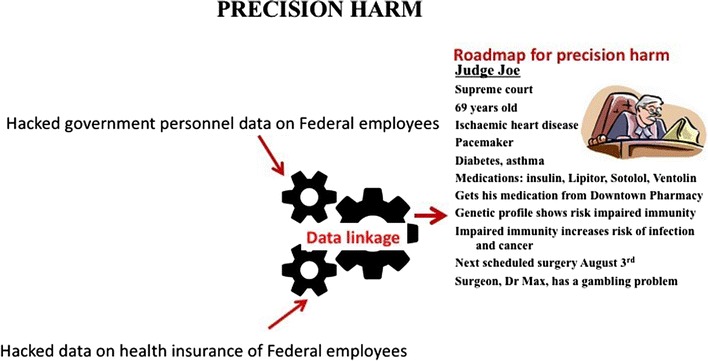
For instance, advances in cybercrime strategies have created ransomware assaults on hospitals, which may cripple health methods and threaten human life. New sorts of organic weapons which fall outdoors of conventional Cold War period considering may be created synthetically utilizing genetic code.

These convergent trajectories are dramatically increasing the repertoire of strategies which can be utilized for profit or hurt. We describe a brand new threat panorama for which there are few precedents, and the place regulation and mitigation are a problem. Rapidly evolving patterns of know-how convergence and professionalliferation of dual-use dangers expose insufficient societal preparedness.

We define examples within the areas of organic weapons, antimicrobial resistance, laboratory safety and cybersecurity in health care. New challenges in health safety corresponding to precision hurt in drugs can not be addressed throughout the remoted vertical silo of health, however require cross-disciplinary options from different fields.

Nor can they can’t be managed successfully by particular person nations. We define the case for brand new cross-disciplinary approaches in threat evaluation to an altered threat panorama.

Converging and emerging threats to health security.
Converging and emerging threats to health safety.

A Bridge to the World.

Zhi-Hong Xu is a plant physiologist who studied botany at Peking University (1959-1965). He joined the Shanghai Institute of Plant Physiology (SIPP), Chinese Academy of Sciences (CAS), as a graduate pupil in 1965. He recollects what has occurred for the institute, through the Cultural Revolution, and he witnessed the spring of science finally coming to China. Xu was a visiting scholar on the John Innes Institute and within the Department of Botany at Nottingham University within the United Kingdom (1979-1981).

He turned deputy director of SIPP in 1983 and director in 1991; he additionally chaired the State Key Laboratory of Plant Molecular Genetics SIPP (1988-1996). He labored as a visiting scientist within the Institute of Molecular and Cell Biology, National University of Singapore, for 3 months every year (1989-1992).

He served as vp of CAS (1992-2002) and as president of Peking University (1999-2008). Over these durations he was closely concerned within the design and implementation of main scientific tasks in life sciences and agriculture in China. He is an academician of CAS and member of the Academy of Sciences for the Developing World. His scientific contributions primarily cowl plant tissue tradition, hormone mechanism in growth, in addition to plant developmental response to atmosphere.

Zhi-Hong, as a scientist and chief who has made an influence locally, known as up loads of glorious younger scientists returning to China. All of his efforts have promoted the quick growth of China’s plant and agricultural sciences. Expected remaining on-line publication date for the Annual Review of Plant Biology, Volume 71 is April 29, 2020. Please see http://www.annualreviews.org/page/journal/pubdates for revised estimates.

Comparing the Impact of Course-Based and Apprentice-Based Research Experiences in a Life Science Laboratory Curriculum.

Comparing the Impact of Course-Based and Apprentice-Based Research Experiences in a Life Science Laboratory Curriculum.

This four-year research describes the evaluation of a bifurcated laboratory curriculum designed to offer upper-division undergraduate majors in two life science departments significant publicity to genuine analysis. The timing is crucial because it gives a pathway for each immediately admitted and switch college students to enter analysis.

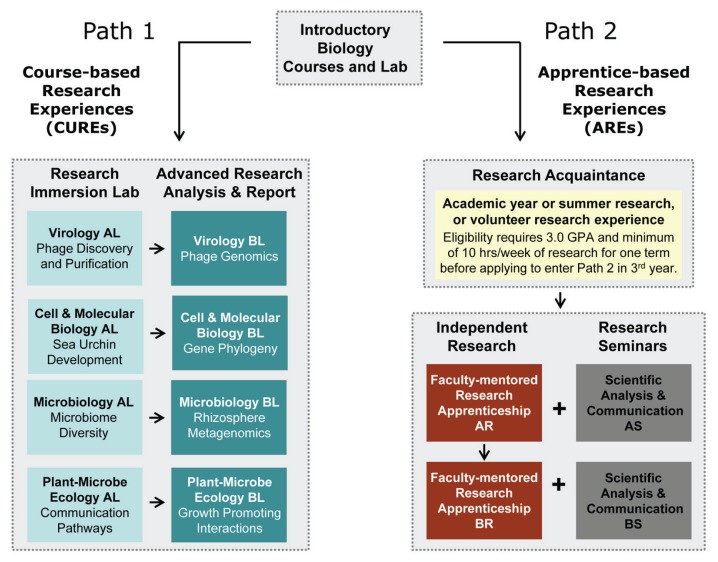
To fulfill their diploma necessities, all majors full one of two paths in the laboratory program. One path immerses college students in scientific discovery skilled by means of workforce analysis initiatives (course-based undergraduate analysis experiences, or CUREs) and the different path by means of a mentored, impartial analysis venture (apprentice-based analysis experiences, or AREs). The bifurcated laboratory curriculum was structured utilizing backwards design to assist all college students, irrespective of path, obtain particular studying outcomes. Over 1,000 undergraduates enrolled in the curriculum.

Self-report survey outcomes point out that there have been no important variations in affective positive aspects by path. Students conveyed which elements of the curriculum have been crucial to their studying and improvement of research-oriented expertise. Students’ pursuits in biology elevated upon completion of the curriculum, inspiring a subset of CURE individuals to subsequently pursue additional analysis.

A rubric-guided efficiency analysis, employed to immediately measure studying, revealed variations in studying positive aspects for CURE versus ARE individuals, with proof suggesting a CURE can cut back the achievement hole between high-performing college students and their friends.

Comparing the Impact of Course-Based and Apprentice-Based Research Experiences in a Life Science Laboratory Curriculum.

Catalyzing speedy discovery of gold-precipitating bacterial lineages with college college students.

Intriguing and probably commercially helpful microorganisms are discovered in our environment and new instruments enable us to find out about their genetic potential and evolutionary historical past. Engaging college students from completely different disciplines and programs in the seek for microbes requires an thrilling venture with progressive however simple procedures and targets.

Here we describe an interdisciplinary program to have interaction college students from completely different programs in the sampling, identification and evaluation of the DNA sequences of a distinctive but widespread microbe, Delftia spp.

A campus-wide problem was created to determine the prevalence of this genus, capable of precipitate gold, involving introductory degree environmental and life science programs, upper-level superior laboratory modules taken by undergraduate college students (juniors and seniors), graduate college students and workers from the campus.

The quantity of individuals concerned allowed for intensive sampling whereas undergraduate researchers and college students in lab-based programs participated in the pattern processing and analyses, serving to contextualize and solidify their studying of the molecular biology methods. The outcomes have been shared at every step by means of publicly accessible web sites and workshops.

This mannequin permits for the speedy discovery of Delftia presence and prevalence and is adaptable to completely different campuses and experimental questions.

A pocket guide to electronic laboratory notebooks in the academic life sciences.

A pocket guide to electronic laboratory notebooks in the academic life sciences.

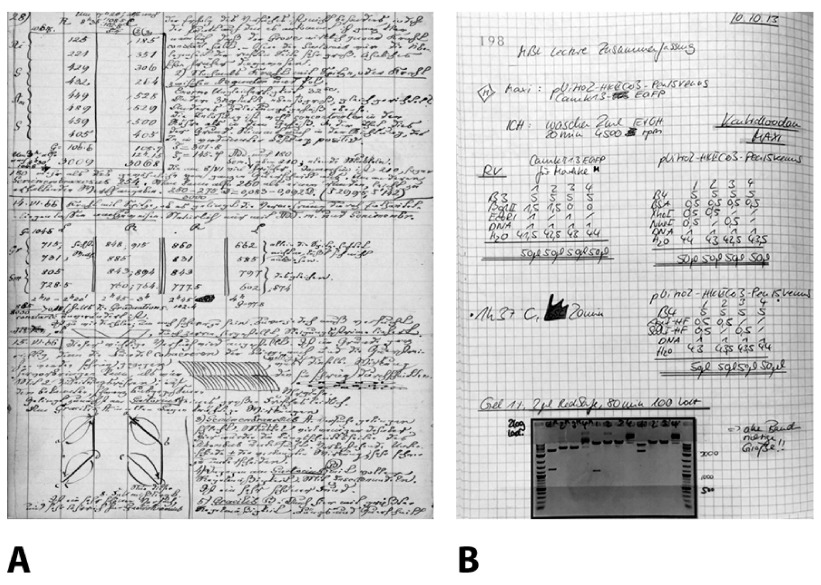
Every skilled doing lively analysis in the life sciences is required to hold a laboratory pocket book. However, whereas science has modified dramatically over the final centuries, laboratory notebooks have remained basically unchanged since pre-modern science.

We argue that the implementation of electronic laboratory notebooks (eLN) in academic analysis is overdue, and we offer researchers and their establishments with the background and sensible information to choose and provoke the implementation of an eLN in their laboratories.

In addition, we current knowledge from surveying biomedical researchers and technicians relating to which hypothetical options and functionalities they hope to see applied in an eLN, and which of them they regard as much less necessary.

We additionally current knowledge on acceptance and satisfaction of those that have not too long ago switched from paper laboratory pocket book to an eLN. We thus present solutions to the following questions: What does an electronic laboratory pocket book afford a biomedical researcher, what does it require, and the way ought to one go about implementing it?

A pocket guide to electronic laboratory notebooks in the academic life sciences.

(32)P measurment of urine samples and inside dose evaluation for radiation employees in life science laboratories.

(32)P measurements of urine samples and inside dose assessments had been performed for employees in life science laboratories. A process for pattern pre-treatment was established and validation was carried out to exclude interference and to detect (32)P ranges precisely.

The detection situations for Cherenkov radiation had been evaluated and the accuracy of Cherenkov radiation measurements validated. The analytical and measurement procedures had been utilized to urine samples collected from 11 employees from life sciences laboratories. The outcomes of the measurements typically indicated very low background radiation ranges, however every day urine samples from two employees had been above the minimal detectable exercise.

The (32)P concentrations for 2 of the employees had been 29.3 ± 10.4 Bq•d(-1) and 24.1 ± 11.8 Bq•d(-1), respectively, at consumption ranges of 4.12 okBq and a pair of.61 okBq. The efficient doses for these two employees had been 4.6 μSv and a pair of.9 μSv. Overall, the outcomes point out very low ranges of radioactivity, aside from instances associated to particular working situations.

Social science in a stem cell laboratory: what occurred when social and life sciences met.

We describe the expertise of conducting intensive social science analysis at the UK Stem Cell Bank from the viewpoint of each the particular person conducting the social science analysis and the Director of the Bank. We element the preliminary misunderstandings and issues held by each and the issues these precipitated.

Then we describe how the relationship developed as the challenge progressed and shared advantages turned obvious. Finally, whereas acknowledging potential areas of stress between the life and social sciences, we propose additional interplay between the disciplines would show helpful for each and speculate as to how this can be achieved.

In the dialogue we establish a set of studying factors from our expertise and definitions of social science terminology that will assist to inform future engagements between life and social scientists.